Choosing a manufacturing partner involves more than comparing product prices, delivery schedules, and production quotations. Before committing to an order, buyers need a clear understanding of the factory’s actual capabilities, available resources, production arrangements, and quality management practices.
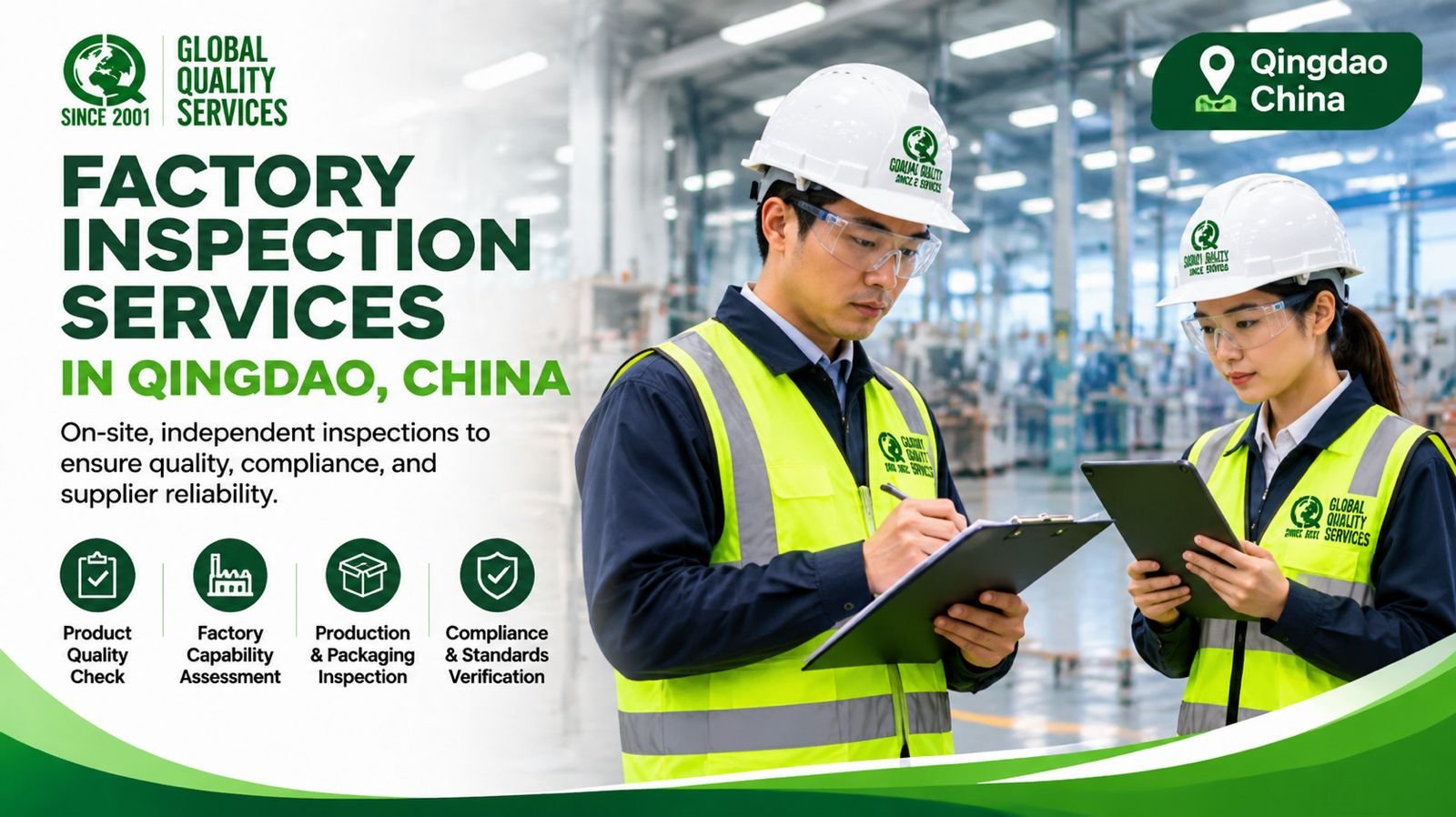
Factory Inspection Services in Qingdao, China, provide an opportunity to examine a manufacturing facility and assess whether its operations align with the buyer’s expectations and specified requirements. An independent inspection can cover the factory’s infrastructure, production machinery, workforce, manufacturing processes, quality control arrangements, storage facilities, and operational records.
For overseas buyers sourcing products from Qingdao, a factory inspection offers a closer look at the manufacturing environment before entering a commercial relationship or working with an existing supplier.
Look Beyond the Supplier’s Quotation
Qingdao is an important industrial and manufacturing center in Shandong Province, with business activity across machinery, metal processing, marine equipment, automotive-related manufacturing, chemicals, and other industrial sectors. Its position as a coastal trade and logistics center also makes it relevant to businesses sourcing goods for international markets.
When evaluating a supplier in this environment, buyers may need to verify whether the facility has the resources and processes required for a particular order. A factory inspection can help answer practical questions such as:
- Does the factory have the machinery and production space required for the proposed product?
- Are the manufacturing processes consistent with the buyer’s specifications?
- Is the production line operational and suitable for the expected order volume?
- Are incoming materials and finished products subject to documented quality checks?
- Does the facility maintain suitable storage and material handling arrangements?
- Are inspection instruments available and maintained appropriately?
- Can the factory demonstrate how it handles defective products and customer complaints?
The findings provide a factual basis for evaluating the supplier. They can also help buyers identify areas that require clarification before confirming an order.
What Is Covered During a Factory Inspection Process?
The inspection scope should be based on the product, manufacturing process, order requirements, and purpose of the visit. Rather than relying on a generic checklist, the assessment should focus on the facility’s ability to meet the requirements relevant to the proposed business arrangement.
1. Factory Infrastructure and General Facilities
The physical condition and organization of a manufacturing facility can influence production activities and workplace conditions.
The inspection may cover:
- Factory layout and available production space
- Condition of buildings and work areas
- Material storage and warehouse arrangements
- Lighting, ventilation, and housekeeping
- Movement of materials between production stages
- Segregation of incoming, work-in-progress, and finished goods
2. Machinery, Tools, and Production Equipment
Available equipment should be appropriate for the products and manufacturing operations being assessed.
The inspection may examine:
- Types and condition of production machinery
- Availability of tools and supporting equipment
- Equipment maintenance records
- Production line configuration
- Suitability of machinery for the required manufacturing processes
- Availability and condition of measuring instruments
Where relevant, the inspection can also review whether equipment calibration records are maintained and whether production machinery is operating during the visit.
3. Manufacturing Processes and Production Capacity
A factory’s stated production capacity should be considered alongside its actual production arrangements.
The assessment may include:
- Manufacturing workflow and process sequence
- Number and arrangement of production lines
- Current production status
- Workforce allocation across operations
- Production planning and scheduling arrangements
- Work-in-progress management
- Ability to accommodate the proposed order requirements
Production capacity should be evaluated against the available evidence and conditions observed during the inspection. A single site visit cannot guarantee future output or delivery performance.
4. Quality Management and Inspection Procedures
A factory’s approach to quality control provides insight into how it identifies and manages product defects.
The inspection can review:
- Incoming raw material inspection procedures
- In-process quality checks
- Final product inspection arrangements
- Inspection criteria and acceptance records
- Availability of testing and measuring equipment
- Nonconforming product identification and segregation
- Corrective action and complaint-handling records
The objective is to understand whether the factory has defined quality control arrangements and whether relevant procedures are being followed.
5. Workforce and Operational Organization
Employees and production supervisors play an important role in maintaining consistent manufacturing operations.
Depending on the agreed scope, the inspection may examine:
- Workforce availability and job allocation
- Production supervision arrangements
- Employee training records
- Defined responsibilities for quality control
- Availability of technical and maintenance personnel
- General workplace organization
Any review of employee-related records or working conditions should remain within the agreed inspection scope and applicable requirements.
6. Warehouse, Inventory, and Material Handling
Storage conditions and material identification can affect production continuity and product condition.
Relevant checkpoints may include:
- Raw material identification and storage
- Inventory organization
- Material movement and handling practices
- Finished goods storage
- Stock identification and traceability
- Packaging and shipment preparation areas
For products requiring particular storage conditions, the inspection criteria should include the relevant environmental or handling requirements.
Factory Inspection Services Available in Qingdao
Different stages of supplier evaluation and production may call for different types of factory inspections. The service should be selected according to the decision the buyer needs to make.
| Inspection type | Main purpose |
|---|---|
| Initial Factory Inspection | Examine a supplier’s facilities, resources, and general manufacturing capabilities before placing an order. |
| Factory Capability Assessment | Review whether available machinery, workforce, production arrangements, and processes are suitable for the proposed product. |
| Production Facility Inspection | Examine manufacturing areas, equipment, workflow, and operational conditions at an existing supplier’s facility. |
| Quality System Inspection | Review documented quality procedures, inspection activities, and records relevant to the agreed scope. |
| Follow-up Factory Inspection | Revisit a facility to examine previously identified issues or verify specified changes. |
The exact inspection coverage and reporting criteria should be agreed upon before the visit. A factory inspection is not automatically equivalent to a formal management system certification audit, social compliance audit, or product testing program.
Why Conduct a Factory Inspection Before Working With a Supplier?
A supplier’s business profile and product catalog provide only limited information about its manufacturing operations. An on-site assessment offers additional evidence that can be considered during supplier selection and order planning.
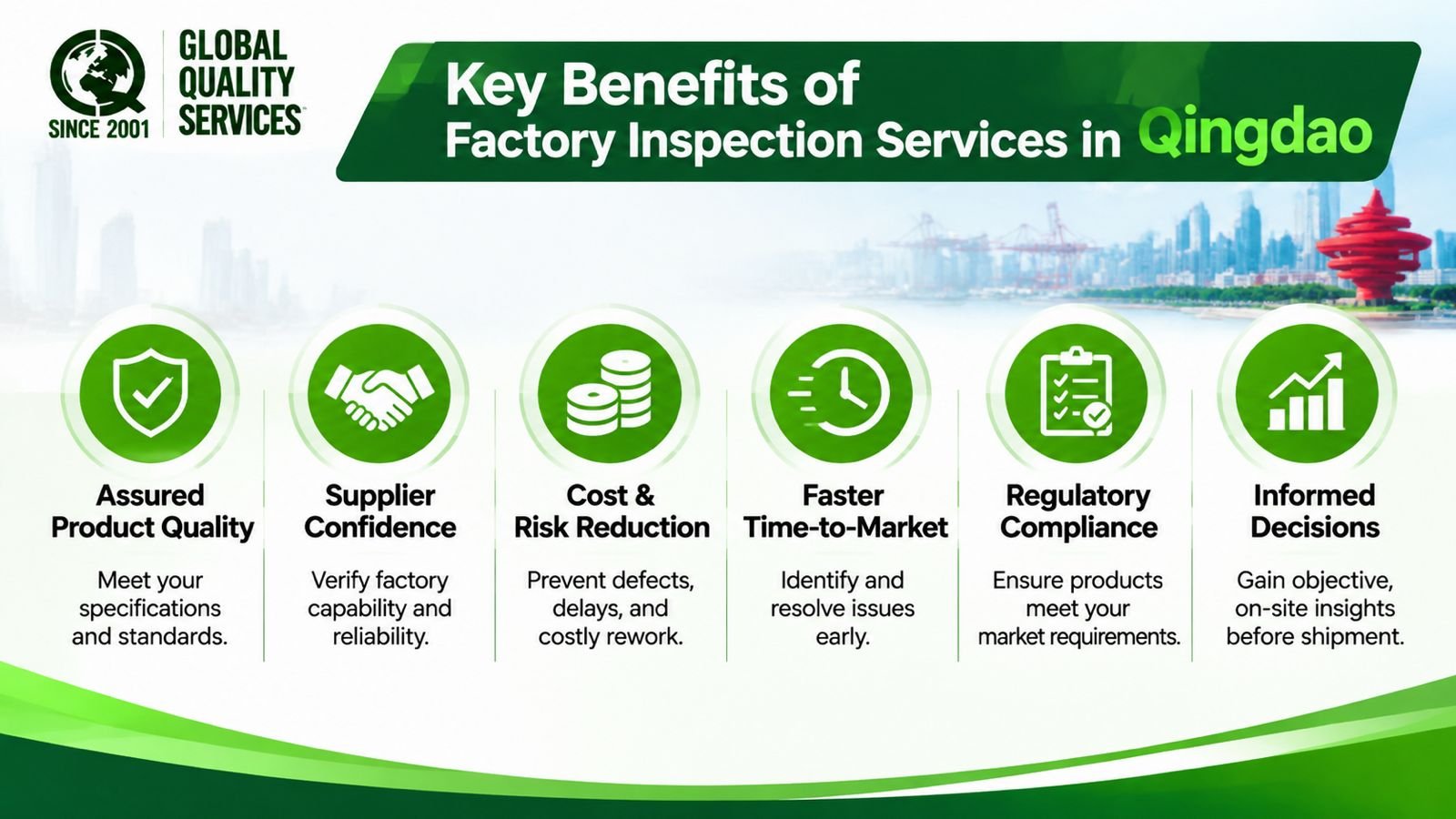
Key reasons to arrange a factory inspection include:
- Better supplier evaluation: Examine the actual manufacturing environment instead of relying exclusively on supplier-provided information.
- Visibility into production resources: Review whether the factory has relevant equipment, production space, and personnel for the proposed work.
- Identification of operational gaps: Recognize issues involving machinery, workflow, storage, documentation, or quality control before they affect an order.
- More informed sourcing decisions: Use inspection findings alongside quotations, samples, references, and commercial evaluations when selecting a supplier.
- Improved production oversight: Reassess an existing supplier when manufacturing arrangements or operational conditions need to be reviewed.
- Documented inspection findings: Obtain a report that records the agreed checkpoints, observations, supporting photographs where applicable, and identified concerns.
An inspection provides evidence about the conditions observed during the visit. It should not be interpreted as a guarantee of future product quality, production output, or supplier performance.
How Global Quality Services Conducts Factory Inspection Services in Qingdao
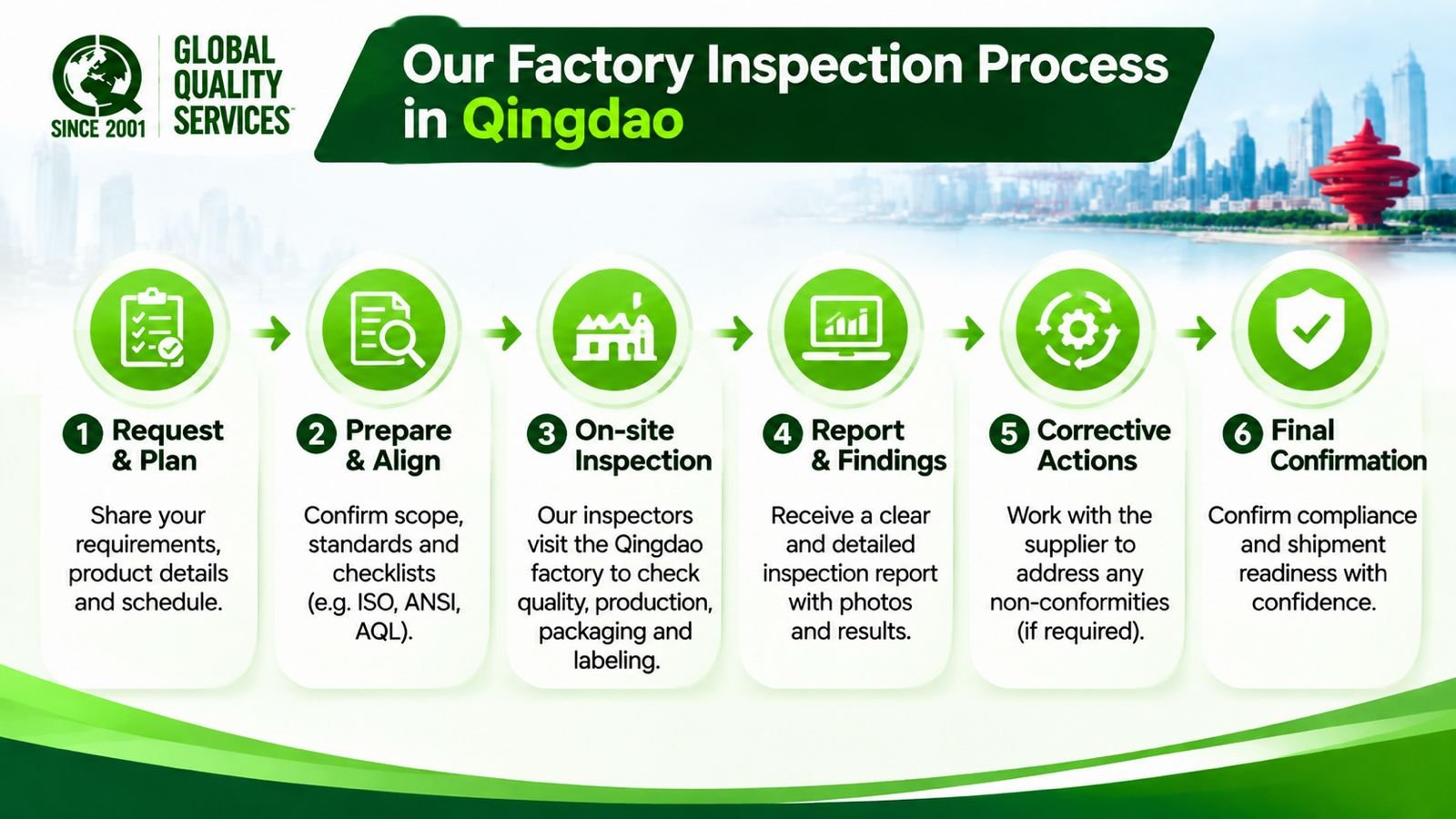
A defined inspection process helps ensure that the assessment remains relevant to the buyer’s requirements and the facility’s operations.
Step 1: Understand the Factory and Inspection Requirements
The process begins with information about the supplier, factory address, product category, intended order, and purpose of the inspection. The required checkpoints and reporting expectations are established at this stage.
Step 2: Define the Inspection Scope
The inspection scope is prepared around the areas that need to be examined. This may include infrastructure, machinery, production capacity, manufacturing processes, quality control, workforce arrangements, and warehouse facilities.
Step 3: Conduct the On-Site Inspection
The inspection takes place at the specified Qingdao factory. The agreed areas are examined through visual observations, relevant document reviews, discussions with responsible personnel, and other permitted verification activities.
Step 4: Record Observations and Findings
Relevant observations are documented against the agreed inspection criteria. Photographs and supporting records may be included where permitted and appropriate.
Describe any identified discrepancy clearly, with enough detail to distinguish an observed condition from an assumption or unverified statement.
Step 5: Prepare the Inspection Report
Compile the findings into a report covering the inspection scope, areas examined, observations, and identified concerns. The report gives the buyer a documented reference for evaluating the factory.
Step 6: Review the Results
The buyer can use the report to determine whether further clarification, additional verification, or another inspection is necessary before proceeding with the supplier.
What Buyers Should Prepare Before the Inspection
The usefulness of a factory inspection depends partly on how clearly the requirements are communicated in advance. Buyers can prepare the following information:
- Factory name and complete inspection address
- Product description and intended manufacturing process
- Expected order quantity and production schedule
- Required machinery or technical capabilities
- Product drawings, specifications, or other relevant documents
- Quality control criteria and inspection expectations
- Specific areas of concern or previous inspection findings
These details help define a focused inspection scope and reduce the risk of overlooking key checkpoints.
Arrange Factory Inspection Services in Qingdao With GQS
Selecting a manufacturing supplier is a significant decision, particularly when production takes place overseas. A factory inspection lets you examine the facility, understand its operations, and document findings against defined requirements.
Global Quality Services (GQS) offers inspection-related services for businesses seeking independent assessment of manufacturing and supplier operations. With 26 years of experience in quality and inspection-related services, GQS works with organizations across different industrial sectors.
For factory inspections in Qingdao, the scope can be aligned with the buyer’s product category, supplier evaluation objectives, and specific areas requiring verification.
Contact GQS to discuss your factory inspection requirements in Qingdao, China, and establish the appropriate scope for your supplier assessment.
Frequently Asked Questions
1. When should a buyer arrange a factory inspection in Qingdao?
A factory inspection is useful before placing a substantial order, onboarding a new manufacturing supplier, or reassessing an existing production partner. It can also be arranged when there are concerns about production resources, quality control arrangements, or changes to the manufacturing facility.
2. Can a factory inspection verify whether a supplier is a genuine manufacturer?
An inspection can examine the facility’s production areas, machinery, workforce, operational arrangements, and relevant business records. These observations can help assess whether the site performs the stated manufacturing activities. However, a site visit alone should not be treated as conclusive verification of every aspect of a supplier’s business identity or ownership.
3. Does factory inspection include product quality testing?
Not necessarily. Factory inspection primarily examines the manufacturing facility and its operational arrangements. Product sampling, laboratory testing, dimensional verification, and functional testing are separate activities that can be included only when specifically agreed upon and technically available.
4. Can an existing supplier’s factory be inspected again?
Yes. A follow-up inspection can examine specified areas of an existing supplier’s facility, including previously identified concerns, changes to production equipment, revised manufacturing arrangements, or the status of agreed corrective actions.
5. What does a factory inspection report contain?
The report generally records the inspection scope, factory details, areas examined, observations, and, where applicable, relevant photographs or supporting evidence. Its contents depend on the agreed checklist and reporting requirements. It describes the inspection findings rather than guaranteeing future factory performance.