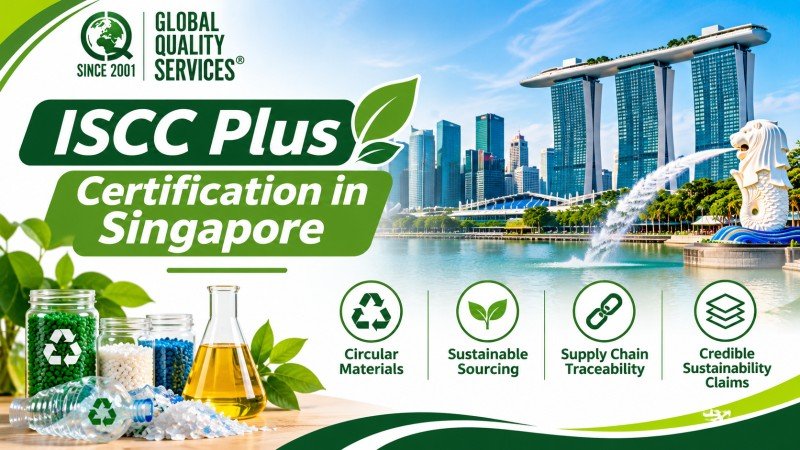
Singapore’s growing interest in circular materials and renewable feedstocks is creating new opportunities for manufacturers and suppliers. According to ISCC, its PLUS scheme reached over 6,000 valid certificates in July 2025, reflecting wider adoption across industries. Businesses handling recycled plastics, bio-based materials, chemicals, and packaging can use ISCC PLUS to demonstrate material traceability and sustainability practices.
However, certification requires accurate records and the right chain of custody approach. An experienced consultant like Global Quality Services can help you understand the requirements, prepare documentation, and get ready for the independent audit.
What is ISCC PLUS Certification
ISCC PLUS (International Sustainability and Carbon Certification PLUS) is a voluntary certification scheme for companies that work with bio-based, recycled, renewable, and circular raw materials. It helps businesses demonstrate the sustainability characteristics and traceability of materials across their supply chains.
The certification applies to different supply chain activities, including collecting, processing, storing, handling, trading, and distributing eligible materials. It also requires companies to maintain clear records of material movement and use an appropriate chain of custody method.
ISCC PLUS recognizes three chain of custody options:
- Mass Balance: Tracks certified and non-certified material quantities through a controlled accounting system.
- Physical Segregation: Keeps materials with different sustainability characteristics physically separate.
- Controlled Blending: Allows planned mixing while tracking the certified content and its sustainability attributes.
The scheme serves industries such as plastics, chemicals, packaging, textiles, food, feed, and alternative fuels. Companies in Singapore can use ISCC PLUS to support credible sustainability claims and demonstrate responsible sourcing practices.
Why is ISCC PLUS Certification Important for Businesses in Singapore?
Singapore plays an important role in international trade, manufacturing, chemicals, logistics, and supply chain operations. Businesses that handle recycled or renewable materials often need to show where those materials come from and how they move through their operations.
ISCC PLUS gives companies a recognized way to demonstrate these practices. Here is why it matters:
1. Builds Trust in Sustainability Claims
Customers and business partners increasingly ask companies to support their environmental claims with evidence. ISCC PLUS certification allows businesses to demonstrate verified sustainability characteristics rather than relying only on internal statements.
2. Improves Supply Chain Traceability
The certification requires businesses to track eligible materials from their source through each relevant supply chain activity. This gives companies better visibility into incoming materials, processing records, stock levels, and outgoing products.
3. Supports Access to International Markets
Some buyers and supply chain partners prefer suppliers with recognized sustainability certifications. ISCC PLUS can help Singapore-based businesses meet these expectations when they trade eligible materials internationally.
4. Strengthens Recycled and Renewable Material Management
Companies that use recycled plastics, bio-based feedstocks, or other alternative materials need reliable records. ISCC PLUS encourages clear material accounting and appropriate chain of custody controls.
5. Supports Circular Economy Goals
The scheme recognizes eligible recycled and renewable feedstocks. Businesses can use certification to demonstrate their contribution to circular material use and responsible sourcing.
6. Improves Internal Accountability
ISCC PLUS requires companies to assign responsibilities and maintain records for relevant activities. These practices help teams manage material flows and identify gaps in their existing controls.
Step-by-Step Process to Get ISCC PLUS Certification in Singapore
Getting ISCC PLUS certification requires preparation across your operations, supply chain records, and material tracking systems. The exact requirements depend on your business activity and the certification scope. Follow these steps to prepare:
Step 1: Identify the Applicable ISCC PLUS Scope
Start by identifying the materials, products, and business activities you want to include. Your scope may cover collection, processing, storage, trading, or distribution. This decision determines which requirements apply to your site.
Step 2: Register With ISCC
Register your company and relevant operational site through the ISCC system. Review the applicable scheme documents and complete the required registration information before proceeding with the certification process.
Step 3: Conduct a Gap Assessment
Review your existing operations against the applicable ISCC PLUS requirements. Check your supplier records, material declarations, inventory controls, production records, and sustainability tracking practices. Identify the areas that need improvement.
Step 4: Prepare Policies and Documentation
Develop or update the documents that support your certification scope. These may include operating procedures, organizational responsibilities, supplier information, training records, production data, and material tracking records.
Step 5: Select the Chain of Custody Method
Choose the appropriate method for tracking certified materials. Depending on your operations, you may use mass balance, physical segregation, or controlled blending. Your chosen method must match the applicable ISCC PLUS requirements.
Step 6: Establish Material Traceability and Accounting
Set up a system to record incoming materials, processing activities, inventory, conversion factors, and outgoing products. Maintain accurate quantities and supporting documents so auditors can verify the movement of certified materials.
Step 7: Train Employees and Assign Responsibilities
Train the employees who handle purchasing, production, storage, documentation, and dispatch. Make sure they understand their responsibilities and follow the procedures relevant to ISCC PLUS.
Step 8: Conduct an Internal Review
Review your records and operational controls before the external audit. Check whether your team follows the approved procedures and whether material quantities match the supporting documents.
Step 9: Complete the Certification Audit
Engage an ISCC-recognized certification body to conduct the independent audit. The auditor will review your documents, operational activities, traceability arrangements, and applicable sustainability requirements.
Step 10: Close Findings and Receive Certification
Address any non-conformities raised during the audit and submit the required evidence to the certification body. Once the certification body confirms compliance and completes its certification decision, it can issue the ISCC PLUS certificate.
Benefits of ISCC PLUS Certification
ISCC PLUS certification can bring practical business value to companies that handle eligible sustainable materials. Some important benefits include:
- Stronger Market Credibility: Demonstrate sustainability claims through independent verification.
- Better Supplier Transparency: Maintain clearer information about material sources and suppliers.
- Improved Material Tracking: Track certified inputs and outputs through a defined chain-of-custody method.
- Greater Buyer Confidence: Give customers and business partners documented evidence of your sustainability practices.
- Support for Circular Materials: Demonstrate the use and handling of eligible recycled and renewable feedstocks.
- Improved Record Management: Maintain organized records for purchasing, production, inventory, and dispatch.
- International Supply Chain Recognition: Use a certification scheme recognized across multiple industries and markets.
Why Choose Global Quality Services for ISCC PLUS Certification in Singapore?
Choosing the right consultant can make a difference when you prepare for ISCC PLUS certification. Global Quality Services works with businesses on certification requirements and management system consulting. Our team focuses on understanding your operations, identifying documentation gaps, and helping your employees prepare for the independent assessment.
As a reputed consultant, Global Quality Services focuses on practical guidance that matches your business activities rather than offering a generic checklist.
Key reasons to work with us include:
- Guidance on selecting the appropriate ISCC PLUS scope
- Support with certification requirements and documentation
- Practical assistance with traceability and mass balance records
- Guidance on supplier and sustainability documentation
- Support with employee awareness and training
- Preparation for the independent certification audit
- Clear communication throughout the consulting engagement
- Support based on your industry and operational requirements
Global Quality Services can guide your team through the preparation work. An ISCC-recognized independent certification body conducts the audit and makes the certification decision.
Frequently Asked Questions
1. Can a company certify only one operational site under ISCC PLUS?
Yes. ISCC PLUS certificates apply to defined operational sites and activities. A company can pursue certification for an eligible site without automatically including every other location it operates.
2. Does ISCC PLUS certification cover recycled plastic materials?
Yes. The scheme covers eligible recycled materials, including recycled carbon-based feedstocks used in products such as plastics, packaging, and chemicals.
3. Can a company use ISCC PLUS certification for marketing its products?
Certified companies can communicate verified sustainability characteristics within ISCC rules. However, they must follow the applicable requirements for product claims, logos, and licensing before making public statements.
4. How often must a company renew its ISCC PLUS certification?
ISCC PLUS certificates are generally valid for 12 months. Companies must complete the required recertification process to maintain valid certification.
5. Does ISCC PLUS certification automatically cover every supplier in a company’s supply chain?
No. Each relevant site handling certified materials must meet the applicable certification requirements. Companies must check their suppliers’ certification status and maintain the required traceability records.