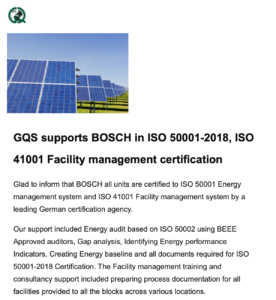

Electricity and fuels are expensive inputs. In manufacturing industries, offices, warehouses, and any company where energy-intensive operations occur, wasted electricity or fuel means higher operational costs every month. Companies often struggle to find ways to monitor their energy usage and optimize it since there’s no standard approach to measuring progress or tracking inefficiencies.
ISO 50001 certification offers a solution in the form of a robust energy management system. It provides businesses with an easy-to-implement framework to monitor energy consumption, enhance efficiency, save money, and cut back on environmental waste. It is a powerful way to demonstrate to clients and partners your commitment to sustainable practices and effective energy usage.
This article explains the top advantages of ISO 50001 certification, its real-world applications, and ways for businesses to translate improved energy management into tangible improvements.
What is ISO 50001 Certification?
ISO 50001 is an international standard for energy management systems (EnMS). It provides requirements for establishing, implementing, maintaining, and improving a system that helps an organization manage its energy performance.
The standard covers three closely related areas:
- Energy efficiency: Using less energy to carry out the same activity without compromising output or quality.
- Energy use: Understanding how and where energy is consumed across equipment, processes and facilities.
- Energy consumption: Measuring the amount of electricity, fuel, gas or other energy sources used over time.
ISO 50001:2018 is the current edition of the standard, confirmed by ISO in 2024. It follows a continuous improvement approach, helping businesses set energy targets, measure results and take action when performance falls short.
10 Major Benefits of ISO 50001 Certification
ISO 50001 certification can support better financial control, more efficient operations, and stronger environmental performance. The results depend on how the system is implemented and the improvements a business makes after identifying its energy needs.
1. Reduce Energy Costs
One of the main benefits of ISO 50001 certification is better control over energy expenses. Electricity, natural gas, diesel, and other energy sources can account for a significant part of a company’s operating costs.
An energy management system helps businesses understand which activities consume the most energy and where improvements are possible. This makes it easier to prioritize actions based on their likely impact.
For example, a manufacturing facility may find that its compressed air system runs longer than necessary or that production equipment consumes electricity even when idle. Correcting these issues can reduce energy waste without requiring major changes to production.
Businesses can work toward lower energy bills by:
- Tracking energy consumption across departments and equipment.
- Identifying unnecessary energy use during idle hours.
- Improving maintenance of energy-intensive machinery.
- Setting measurable energy-saving targets.
- Reviewing energy bills and performance data regularly.
2. Improve Energy Efficiency
Cutting down energy consumption does not necessarily mean turning off devices. Many companies increase efficiency through improved machine operation, building maintenance, and production process optimization. ISO 50001 obligates businesses to assess their energy use, detect important activities consuming significant amounts of energy, and develop strategies for improvement. This approach allows management teams to pinpoint opportunities for enhanced energy performance.
For instance, the energy use patterns of one hotel could involve changing the schedule for air conditioning according to the level of room occupancy. Similarly, manufacturing facilities could modify control systems for electric motors or replace wasteful equipment. Office complexes could optimize lighting, ventilation, and air conditioning controls.
3. Identify Energy Waste and Inefficiencies
Sometimes it isn’t immediately clear when there’s wasted energy. An abrupt spike in electricity usage could happen because something’s broken, more working time occurs, bad maintenance occurs, or simply because output has increased.
In those instances, companies might find themselves unable to figure out why without accurate documentation of their processes.
That’s why ISO 50001 promotes monitoring and analyzing data related to energy, establishing baselines, and implementing appropriate EPIs to allow people to track and evaluate progress compared to prior periods.
4. Improve Operational Performance
Energy efficiency and operational performance often go hand in hand. Equipment that runs inefficiently may also require more maintenance, generate excess heat or operate outside its intended settings.
By reviewing energy use alongside operating conditions, businesses can identify opportunities to improve equipment performance and production processes.
ISO 50001 can help organizations:
- Improve the operation and maintenance of energy-intensive equipment.
- Reduce unnecessary machine operating hours.
- Include energy performance in equipment purchasing decisions.
- Review operating procedures that contribute to energy waste.
- Coordinate energy-saving measures across departments.
5. Reduce Greenhouse Gas Emissions
Energy consumption can contribute to greenhouse gas emissions, particularly when a business relies on fossil fuels or electricity generated from carbon-intensive sources.
By reducing unnecessary energy use and improving efficiency, an organization can lower the emissions associated with its operations.
ISO 50001 supports this effort by giving businesses a way to measure energy performance, set targets, and review progress. Organizations can also consider energy efficiency when selecting equipment, planning facility upgrades, and purchasing energy.
6. Make Better Energy Management Decisions
Businesses need reliable information to decide where to invest in energy improvements. Without accurate data, management may spend money on changes that offer limited benefits while overlooking more effective opportunities.
ISO 50001 encourages organizations to establish an energy baseline, track energy performance indicators, and assess improvement opportunities.
7. Manage Energy-Related Risks
Energy prices, supply interruptions, and equipment failures can affect business continuity. Companies that depend heavily on electricity, fuel, or other energy sources may face higher costs or production delays when conditions change. ISO 50001 helps organizations understand their energy needs and identify opportunities to manage these risks.
A structured approach can help businesses:
- Monitor changes in energy consumption and spending.
- Identify critical equipment and energy-intensive operations.
- Plan maintenance and efficiency improvements.
- Consider energy performance when purchasing equipment.
- Evaluate opportunities to diversify energy sources where practical.
8. Increase Employee Awareness and Accountability
Energy management works best when it becomes part of everyday work rather than the responsibility of one department. ISO 50001 encourages organizations to define responsibilities, provide suitable training, and make employees aware of how their activities affect energy performance.
For example, production staff can follow equipment shutdown procedures, maintenance teams can report inefficient machinery, and facility managers can monitor unusual consumption patterns. Management can also assign responsibility for specific energy targets and review progress during regular meetings.
When employees understand why energy-saving measures matter, they are more likely to follow procedures and report problems. This helps businesses maintain improvements instead of relying on occasional energy-saving campaigns.
9. Strengthen Business Credibility and Market Opportunities
Customers, business partners and other stakeholders may want evidence that suppliers manage resources responsibly. ISO 50001 certification can help an organization demonstrate that it has an independently assessed energy management system.
This can be useful when responding to supplier questionnaires, sustainability requests or tender requirements that consider environmental management and energy performance. Certification may help businesses:
- Demonstrate a structured approach to energy management.
- Provide evidence of their commitment to improving energy performance.
- Support customer and supply chain sustainability requirements.
- Strengthen their position when competing for suitable contracts.
- Build confidence among customers and business partners.
10. Support Long-Term Improvement
Energy-saving projects can deliver short-term results, but maintaining those results requires regular attention. Equipment changes, production schedules, staff practices, and operating conditions can all affect energy consumption.
ISO 50001 provides a framework for reviewing performance and improving the energy management system over time.
Organizations set targets, measure results, investigate problems, and update their action plans when necessary. Internal audits and management reviews help determine whether the system remains effective.
Which Businesses Benefit Most From ISO 50001 Certification?
ISO 50001 can be applied to organizations of different sizes and across different industries. It is particularly useful when energy consumption has a noticeable effect on operating costs, production, or environmental performance.
- Manufacturing and industrial facilities
- Hotels and commercial buildings
- Data centres and IT facilities
- Food and beverage processing companies
- Warehousing and logistics companies
- Healthcare facilities and hospitals
- Chemical and process industries
- Energy and utility companies
- Oil and gas companies
- Pharmaceutical companies
- Retail chains and shopping malls
- Educational institutions and universities
How Can Businesses Maximize the Benefits of ISO 50001 Certification?
Obtaining certification is an important milestone, but the long-term value comes from using the energy management system consistently. Businesses can strengthen their results by following these practices:
- Start with an energy review. Examine energy bills, operating records, equipment, and major consumption areas to understand current performance.
- Set a reliable baseline. Establish a reference point that allows the organization to compare energy performance over time.
- Choose measurable targets. Set realistic objectives based on the organization’s energy use, operational needs and improvement opportunities.
- Prioritize practical improvements. Address energy waste and equipment inefficiencies before committing to larger investments where appropriate.
- Involve employees. Assign responsibilities and ensure that people understand the procedures relevant to their work.
- Track results regularly. Review energy data, investigate unexpected changes, and take corrective action when performance falls short.
- Review and improve the system. Use internal audits and management reviews to identify weaknesses and update improvement plans.
How Global Quality Services Can Help With ISO 50001 Certification
Implementing an energy management system requires coordination between management, facility teams, maintenance staff, and other employees. Organizations may need support to understand the standard’s requirements, identify gaps and prepare for an independent certification audit. Global Quality Services (GQS) provides ISO consultancy and certification support to help businesses prepare their management systems.
Support can include:
- Reviewing existing energy management practices against ISO 50001 requirements.
- Identifying gaps in processes, responsibilities and records.
- Helping develop or update energy policies, objectives and procedures.
- Supporting employee awareness and implementation activities.
- Assisting with internal audit preparation and corrective actions.
- Preparing the organization for the certification audit.
The scope of support depends on the organization’s current system, facility size and operational requirements. Certification is ultimately subject to assessment by the selected independent certification body.
Take Control of Your Business’s Energy Performance
Better energy management starts with understanding where energy is used and which improvements can make a measurable difference. ISO 50001 provides a structured way to identify opportunities, manage costs, and track progress over time.
Work with Global Quality Services to prepare your organization for ISO 50001 certification and build a practical energy management system that supports your business goals.
Frequently Asked Questions
1. What is the biggest benefit of ISO 50001 certification?
One of the main benefits is improved control over energy consumption and costs. The standard helps businesses identify energy waste, set measurable targets, and track improvements. It can also support operational efficiency and environmental performance.
2. Does ISO 50001 certification guarantee lower energy bills?
No. Certification confirms that the organization’s energy management system meets the applicable requirements. Lower energy bills depend on the improvements identified, the measures implemented, energy prices and how effectively the system is maintained.
3. Can small businesses benefit from ISO 50001 certification?
Yes. ISO 50001 is suitable for organizations of different sizes. Smaller businesses can use it to monitor energy consumption, identify unnecessary use and introduce practical improvements according to their resources and operational needs.
4. How does ISO 50001 certification help the environment?
The standard helps organizations improve energy efficiency and manage energy consumption. When these efforts reduce the amount of energy used, they can also lower associated greenhouse gas emissions, depending on the energy sources involved.
5. Is ISO 50001 certification mandatory?
ISO 50001 certification is generally voluntary. However, a customer, contract, industry requirement or applicable regulatory framework may create a business-specific need for an energy management system or certification. Organizations should check the requirements that apply to their operations.